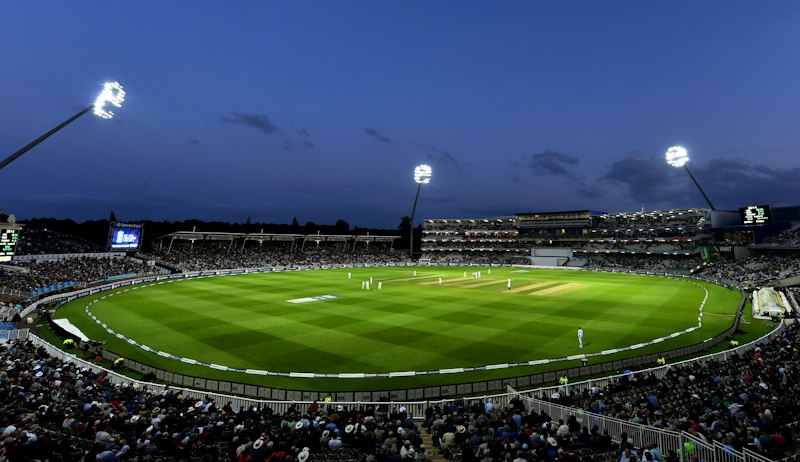
Set pieces now account for approximately 30% of all goals scored in top-flight European football, up from 25% just five years ago. This increase reflects greater tactical sophistication in set-piece routines, with dedicated coaches now standard at elite clubs. Premier League teams like Arsenal and Manchester City have invested heavily in set-piece analysis, and the results speak for themselves—both ranked in the top three for goals from dead-ball situations last season.
Set Piece Analysis: How Corners and Free Kicks Decide Matches
ADVERTISEMENT

Corner kicks produce goals at varying rates across different leagues, influenced by tactical approaches and physical attributes. The Premier League leads with a 3.8% conversion rate from corners, followed by Serie A at 3.5% and the Bundesliga at 3.2%. La Liga's lower 2.9% rate reflects the league's emphasis on technical play from open situations. These conversion rates are crucial data points for match previews involving set-piece specialists.
Direct free kick goals have declined significantly over the past decade due to improved defensive wall positioning and goalkeeper analysis. However, certain specialists still convert at exceptional rates. The top free kick takers in world football currently convert between 6-9% of direct attempts, compared to the average of 3.2%. When previewing matches, the presence of a free kick specialist adds an expected goal value of approximately 0.15 per match from situations around the box.
ADVERTISEMENT
Identifying defensive set piece vulnerabilities is equally important for match previews. Teams that defend zonally are vulnerable to late runners arriving at the near post, while man-marking systems can be exploited through blocking runs and decoy movements. Some teams have a notable weakness to in-swinging corners (conceding 40% more from in-swingers than out-swingers), which becomes relevant when facing left-footed corner takers from the right side.
ADVERTISEMENT
To incorporate set piece analysis into your match previews, compare each team's set piece goals scored versus conceded, identify specialist takers and aerial threats, and assess the tactical approach (zonal vs man-marking). A team averaging 0.6 goals from set pieces per match facing a side that concedes 0.8 from dead balls creates a significant prediction factor. Our model weights set piece differentials at 15% of the overall match prediction, reflecting their proven match-deciding importance.
ADVERTISEMENT
Related Articles